I think the real reason to bring it to Berlin is because the Mexico gigafactory is on pause at the moment.
Irrespective of what one may think, Musk has achieved model 3 and model y production in face of criticism.
The model 3 is a very successful car. However, based on what the stated goal of the Model 3 was, it failed. Unless you consider a brief 43 day window when sales where slow as hitting the target.
So, sure they may sell a handful of cars built at this factory at 25k, but more realistically this may be hitting the price point the Model 3 was aiming for.
Car manufacturing is hard and sometimes it takes multiple iteration to get to the initial goal. Tata Nano was a similiar failure. In there case though, the car literally failed in the market at all prices.
Not really insightful. My account was also one with no tweets and no followers for 5 years though I did actively use twitter to read stuff and follow people i liked.
The article is trying hard to create a news where there is none as I guess majority of people are like this and only use it to read and follow intresting people.
> I guess majority of people are like this and only use it to read and follow intresting people.
What seems far more likely is that these accounts are being created en masse to participate in paid follower campaigns, and that following Musk is part of the onboarding process for the accounts. We saw the same thing happening with Trump a few years ago, for example.
This is a giant mess. Frankly, i don't understand how they architected it. If i open a word, excel or ppt document from another companies SharePoint because they added me as a guest, Microsoft promptly signs me out of the desktop office 365 apps and then says that i am using unlicensed office365.
How was this missed when designing the security and authentication systems?? This is basic foundational stuff!
That's easy to answer: It is not architected, it is organically grown.
Product A adds a sign in. Product B from another team adds another sign in. Product C,D,E do the same. Each team has some special magic sauce that makes their system work better with their product, but worse with all others.
Now the corporate infighting starts, as management squeezes all these sign-in systems together, and everyone looses if any other but their system wins. So some compromise is created, based more on political prowess than technical requirements. The result is an API from hell, taking fragments from everyone, even if they conflict. Everyone pushes and pulls their existing systems until it fits in the compromise, trying to minimizing damage. Weird cracks appear everywhere.
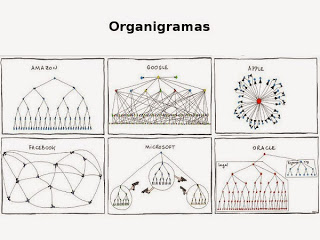
Remember how each organization builds a solution based on their organogram. Look at microsoft in the meme. Look at the sign in mess. Understand.
I predict strange, probably exploitable and surely unsolvable problems in the MS sign-in system for at least the next decade, just like their programming practices of the '90s had entirely predictable security consequences for a decade when the internet appeared.
And it's crucial to understand we're well past the point where any one (or likely even a small team) knows all the places that Microsoft auth is entangled with. Thus unknown, undesirable interactions occur just because it's too big for someone to know that the interaction would occur.
I have found guest accounts in general to be barely supported. I can’t manage my 2FA for my guest account in other organizations, can’t control which account to log in with (MS seems to decide based on which resource I’m navigating to), and anytime I have an issue it pretty much takes the AAD admin removing and re-adding me to fix it. It was clearly an afterthought feature.
No software is perfect. Not even the one which flew Boeing 747, thats why they had 3 services coded by 3 different teams running on 3 different brand processors and the system takes the 2 matching entries as the truth.
Even micro processors are not immune to long running bugs.
Picking one small thing and demonising a whole team is unfair for them and the company.
That would be Airbus flight controller - concern was over their new by then fly by wire control system so this was used.
The US Space Shuttle had the same concept with 4 computers that ran on the same codebase and hardware from IBM that would check each other on critical components (engine burn/flight control) and if one differed it was voted out.
There the issue was radiation induced memory corruption as the software was top tier tested and verified to be bug free as possible (they used ADA)