You mention Germany, not me. Don't add random topics if you are not able to discuss the topic you've chosen.
Industries are leaving Germany because of the electricity bills you tried to defend. Nearby countries don't want to connect to Germany because of unstable electricity bills that can affect citizens (Sweeden). Stay on topic.
> Nearby countries don't want to connect to Germany because of unstable electricity bills that can affect citizens (Sweeden).
What are "unstable electricity bills" ? Changing market prices are the reality in many markets. The European reality is clear: more connection between local energy markets creates a larger EU market and this allows to trade electricity based on demand and supply in a very large market.
Germany already exchanges electricity with Sweden via Denmark. Do you have other examples? Germany directly exchanges electricity with lots of other countries already.
Renewable energy from Wind and Solar is growing in many places in Europe. That's not a special German thing, it's just that Germany started earlier.
"EU Member States need to massively ramp up their renewable power capacity in the coming years. This increase in renewables from variable sources, such as wind and solar, will also increase the need for ‘flexibility’ in the EU electricity system."
"The share of renewables in Europe is expected to keep growing. However, meeting the new target of 42.5% for 2030 will demand more than doubling the rates of renewables deployment seen over the past decade, and requires a deep transformation of the European energy system."
What you think is a German problem, is a reality and a trend in Europe.
A deep transition to renewable energy is also world-wide the only viable way to a cleaner electricity production.
Sweden could be in a good position, since it and surrounding countries have lots of capacity for wind generated electricity and hydro based electricity generation/storage.
Today Germany a peak of 2300€/MWh at 6-7, and a negative of -0.05€ at 12-13.
> Changing market prices are the reality in many markets.
For a market to be competitive, it must also be predictable. If energy costs vary drastically—€1000/MWh one day and €0 the next—it poses a severe challenge for companies. Such unpredictability discourages investment and may cause industries to relocate.
Imagine an energy-intensive company unable to operate profitably due to volatile energy prices. Paid employees ready to work might have to wait because high energy costs could lead to financial losses.
> The European reality is clear: more connection between local energy markets creates a larger EU market and this allows to trade electricity based on demand and supply in a very large market.
However, this interconnectedness does not solve the problem. If Germany's electricity prices soar, they might rely on cheaper Swedish electricity, potentially saturating Sweden's supply and raising costs for Swedes. This scenario recently played out, prompting the Swedish government to halt plans for a new power cable to Germany.
The consequences are counterproductive. Germany's unstable energy market negatively impacts its citizens and neighboring countries. Rather than increased connectivity, the opposite approach might be more beneficial.
> "EU Member States need to massively ramp up their renewable power capacity in the coming years. This increase in renewables from variable sources, such as wind and solar, will also increase the need for ‘flexibility’ in the EU electricity system."
These issues have persisted in Germany for a decade and continue to worsen. The need for "flexibility" in the EU electricity system seems more like wishful thinking than a practical solution.
> Renewable energy from Wind and Solar is growing in many places in Europe. That's not a special German thing, it's just that Germany started earlier.
This point seems unrelated to the discussion at hand. Are you being paid to promote renewables? Many parts of your argument sound like poorly crafted commercials.
> What you think is a German problem, is a reality and a trend in Europe.
Yes, it's a problem closely linked to renewables, and other countries are following suit.
> A deep transition to renewable energy is also world-wide the only viable way to a cleaner electricity production.
While the transition to renewable energy is essential, it is not without its challenges. Recognizing the limitations of renewables is crucial for anyone genuinely committed to this goal.
> Sweden could be in a good position, since it and surrounding countries have lots of capacity for wind generated electricity and hydro based electricity generation/storage.
The article is clear. Sweden's Energy Minister Ebba Busch stated, "We can't connect southern Sweden, which has a large deficit in electricity production, with Germany, where the electricity market today does not function efficiently. That would risk leading to higher prices and a more unstable electricity market in Sweden."
That's a price, not a bill. It's an auction. Electricity is traded there.
>> Changing market prices are the reality in many markets.
> For a market to be competitive, it must also be predictable. If energy costs vary drastically—€1000/MWh one day and €0 the next—it poses a severe challenge for companies. Such unpredictability discourages investment and may cause industries to relocate.
That's nonsense. "Markets" don't need to be predictable. There are lots of markets, where predictability plays a minor role. There are also renewable energy forecasts, just like there are weather forecasts.
In the future we will have much much more electricity capacity from renewable. Lots of business will then take advantage of that.
That's a completely new market.
> Imagine an energy-intensive company unable to operate profitably due to volatile energy prices.
energy intensive companies have long-term electricity contracts. Additionally many of these companies can steer their demand.
> Paid employees ready to work might have to wait because high energy costs could lead to financial losses.
What?
>However, this interconnectedness does not solve the problem. If Germany's electricity prices soar, they might rely on cheaper Swedish electricity, potentially saturating Sweden's supply and raising costs for Swedes. This scenario recently played out, prompting the Swedish government to halt plans for a new power cable to Germany.
That's all yesterday thinking. Germany is not only connected to Sweden (which it is indirectly) and countries/companies can regulate the export of electricity.
> The consequences are counterproductive. Germany's unstable energy market negatively impacts its citizens and neighboring countries. Rather than increased connectivity, the opposite approach might be more beneficial.
Sure not. It's the fear of modern technology.
> While the transition to renewable energy is essential, it is not without its challenges. Recognizing the limitations of renewables is crucial for anyone genuinely committed to this goal.
Sure there are challenges. Challenges are everywhere. We here in Europe, for example have the challenge to get rid of the energy dependence from Russia, which has served Europe (and Germany) with gas, oil and nuclear (fuel production, technology, fuel reprocessing, ...). Russia has used its energy industry to blackmail Europe. That's a challenge.
But you assume "limitations" of renewable energy which simply are not there or only temporary. For a lot of these "limitations" we will see solutions, like large interconnected grids, demand steering, usage of over-capacity in fuel production, large batteries, ...
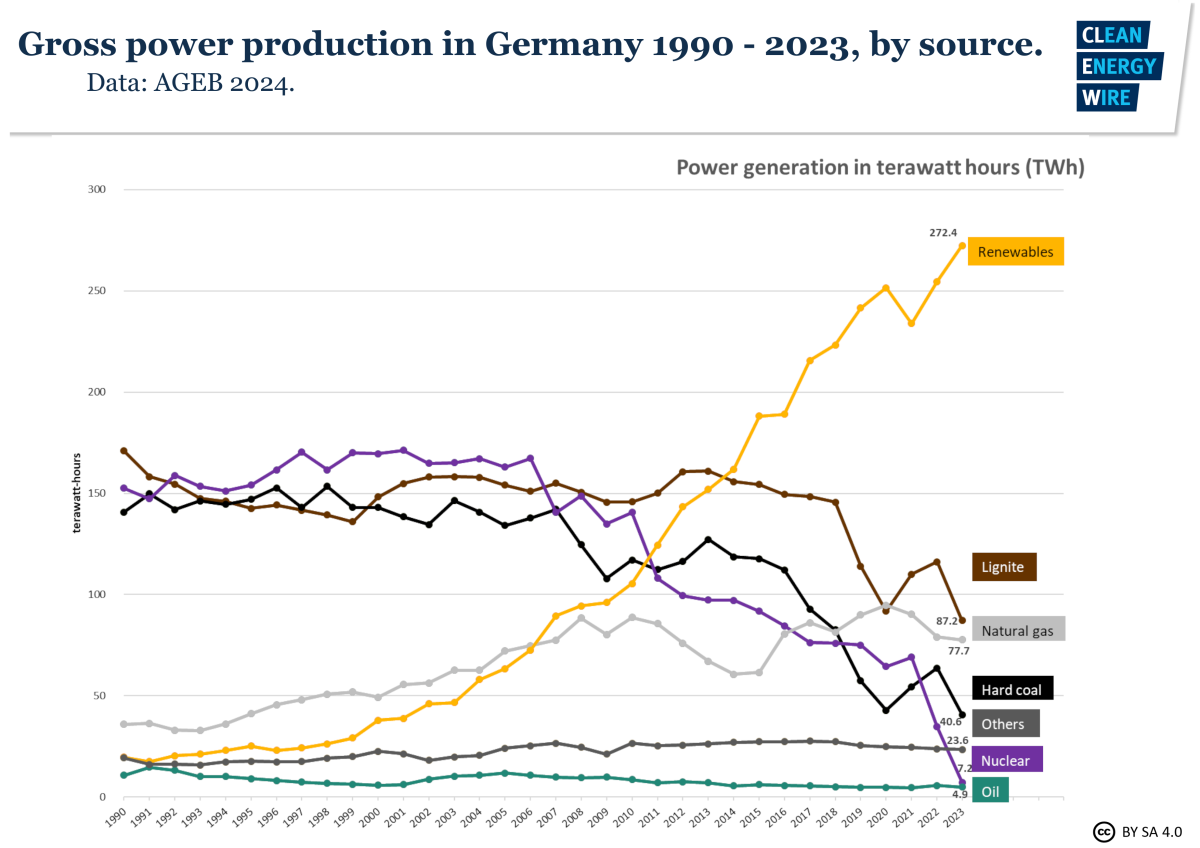
We have seen this "limitation" thinking decades ago, when the German electricity industry (mostly coal and nuclear) claimed that renewable energy could only provide a few percent energy share. The grid would be unstable. The reality: the German grid is still super reliable and we approach 60% electricity from renewable energy - in a country with very little hydro capacity.
> Are you being paid to promote renewables? Many parts of your argument sound like poorly crafted commercials.
I had the same impression of your (in my opinion naive) nuclear talking points.
Hackernews (ran by a venture capital firm Y Combinator) is best for people who can extrapolate trends into the future. Energy policy is a field of long term industry trends. Changes can take decades. Currently we see that nuclear changes very slowly if at all, renewable still accelerates.
Don't bet the future on a stagnating energy technology.
> That's a price, not a bill. It's an auction. Electricity is traded there.
And how do you think the cost in the bill is determined?
> That's nonsense. "Markets" don't need to be predictable. There are lots of markets, where predictability plays a minor role. There are also renewable energy forecasts, just like there are weather forecasts.
Knowing that there won't be much sun tomorrow doesn't cause prices to drop. It simply confirms that they will be very high.
Which is exactly what the day-ahead market does.
> In the future we will have much much more electricity capacity from renewable. Lots of business will then take advantage of that.
We live in the present, not in the future. And for it not to be a problem in the future, someone in the present has to think about it. It's a problem in the present.
You're basically putting this problem off indefinitely, you don't care that it exists, you don't care to solve it.
> That's a completely new market.
Which does not exist outside of your dreams...
> energy intensive companies have long-term electricity contracts. Additionally many of these companies can steer their demand.
Not always.
That said, someone must must pay anyways. And if you have a fixed rate and the variable rate goes up, somebody loses a lot of money. It happens like that in every market.
It also happened post-covid with fixed-rate mortgages.
> That's all yesterday thinking. Germany is not only connected to Sweden (which it is indirectly) and countries/companies can regulate the export of electricity.
All beautiful. The fact remains that the Swedes don't want more connections because of German network problems. That they have past connections says nothing about the current and future state of Germany. And the statements speak for themselves, it's a disaster.
> Sure not. It's the fear of modern technology.
Empty words.
> But you assume "limitations" of renewable energy which simply are not there or only temporary. For a lot of these "limitations" we will see solutions, like large interconnected grids, demand steering, usage of over-capacity in fuel production, large batteries, ...
A lot of whishful thinking. You hope in solutions. But now we have problems, its a fact.
> We have seen this "limitation" thinking decades ago, when the German electricity industry (mostly coal and nuclear) claimed that renewable energy could only provide a few percent energy share. The grid would be unstable. The reality: the German grid is still super reliable and we approach 60% electricity from renewable energy - in a country with very little hydro capacity.


Industries are leaving Germany because of the electricity bills you tried to defend. Nearby countries don't want to connect to Germany because of unstable electricity bills that can affect citizens (Sweeden). Stay on topic.