We can go back to the boom of distilled spirits in the 19th century, but that's kind of cheat because it predates modern drug regulation and aren't seen as medical since people just make and consume them privately.
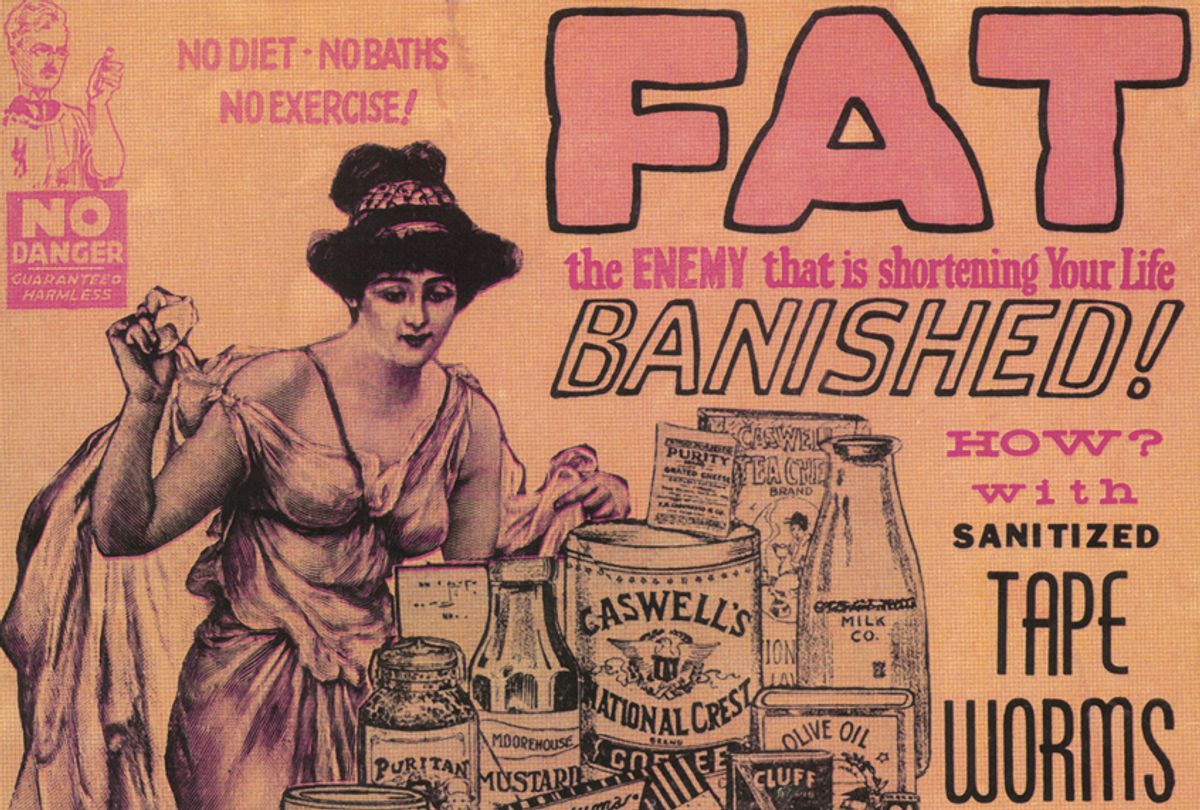
Or the boom of compounded tinctures at the turn of the century, but again, that's kind of a cheat, because it becomes the impetus for modern regulation and was full of all kinds of wild crap.
But once we have regulation, we get the wartime boom of amphetamines and stimulants for energy and weight-loss; the mid-century boom of early barbiturates, tranquilizers, and sleeping pills; another boom of new stimulants and weight-loss drugs in the eighties, along with a boom of anabolic steroids; another boom of anti-anxiety drugs in the benzodiazepem class, as well as new anti-depressants; then a boom of opioid painkillers with purportedly "abuse preventing" formulations; etc
Each of these booms was absurdly popular during its heyday, generating tremendous amounts of revenue and reaching into countless homes, variously disturbing both physical health and familial/emotional security in significant ways, and then was turned against because of all the secondary effects that they brought with them.
In many cases, these secondary effects were noted early on but simply held in denial because of how freaking much people wanted to feel more energized or calmer or more rested or thinner or whatever in a world that seemed to be putting impossible demands on them. In other cases, people just didn't know where to look for the secondary effects and so they weren't anticipated.
In either case, the drugs always looked really rosy to the public and generally delivered on their prima facie promises.
Socially, these drugs are fitting an almost identical profile. Medically, maybe they'll finally prove to be the exception. We'll have to see.