Moving from Europe to the US really made me appreciate recessed power sockets - the standard US Power Socket is a crime against engineering (and don't get me started on 120 vs 240V).
If I was Emperor of the Universe, I'd make the Type G plug the only standard: Longer ground contact that makes contact first, plastic cover on the plug-facing side of the hot/neutral contacts, polarized because there's only one direction to plug it, built-in fuse. Make it recessed, and it's perfect. And since it's rated for 250V/13A, it's great for any household device that doesn't need three-phase power.
Yes, it's chonky, but the more I learn about power plugs and sockets, the more I see how well designed it is. Unless someone from the UK knows if there are actual issues with it :)
> the standard US Power Socket is a crime against engineering (and don't get me started on 120 vs 240V)
What's so bad about a NEMA 5-15? I grant you it's not as fancy as the Type G, but I've certainly never been shocked by it, so I'm not sure if it's criminal.
US households have access to 240V if they want it (and most homes have at least a clothes dryer outlet wired for this). About the only thing I would really prefer to have 240V for is an electric kettle.
I've seen so many sockets that were worn down over time from the weight of the plug just hanging out from it, usually straight since most aren't angled. (because there's no strain relief either, which a recessed socket would provide). So you have plugs that are usually exposing parts of the plug thanks to gravity.
Yes, it can be fixed by replacing the socket, but it's just such a terrible design. (The 240V socket isn't much better - if I was wiring my house for 240V, I guess I'd have to use that one to be up to code, but I'd really consider importing some Schuko sockets instead)
As someone who has used most of these standards, save for some of the more esoteric ones, I can honestly say type M is best - all the benefits of type G, but won't literally stab your foot when you step on it (I'd link some nsfl photos if I weren't on mobile).
Built in fuses are quite archaic - circuit breakers are better, and if you really need one, build it into the appliance.
Any socket that is compatible with type C plugs tends to have plugs that easily break if any kind of bending or shearing force is applied to it while plugged in, and the equipment manufactured for it (adapters and multiplugs) tend to be cheap, not make good contact and allow the plug to fall out easily. I've never encountered a type M socket that didn't Just Work™
The G standard plug should be classified as a cold weapon as it's so big and heavy and flat that it could be used as a mace or as a booby trap for burglars.
CEE 7/7 is where it's at. Couple that with some future CEE socket standard to make all the best engineering in type-E and type-F standard (polarised connectors from E, and earth tabs on the outer rim from F, plus protective shutters), and it'd be perfect.


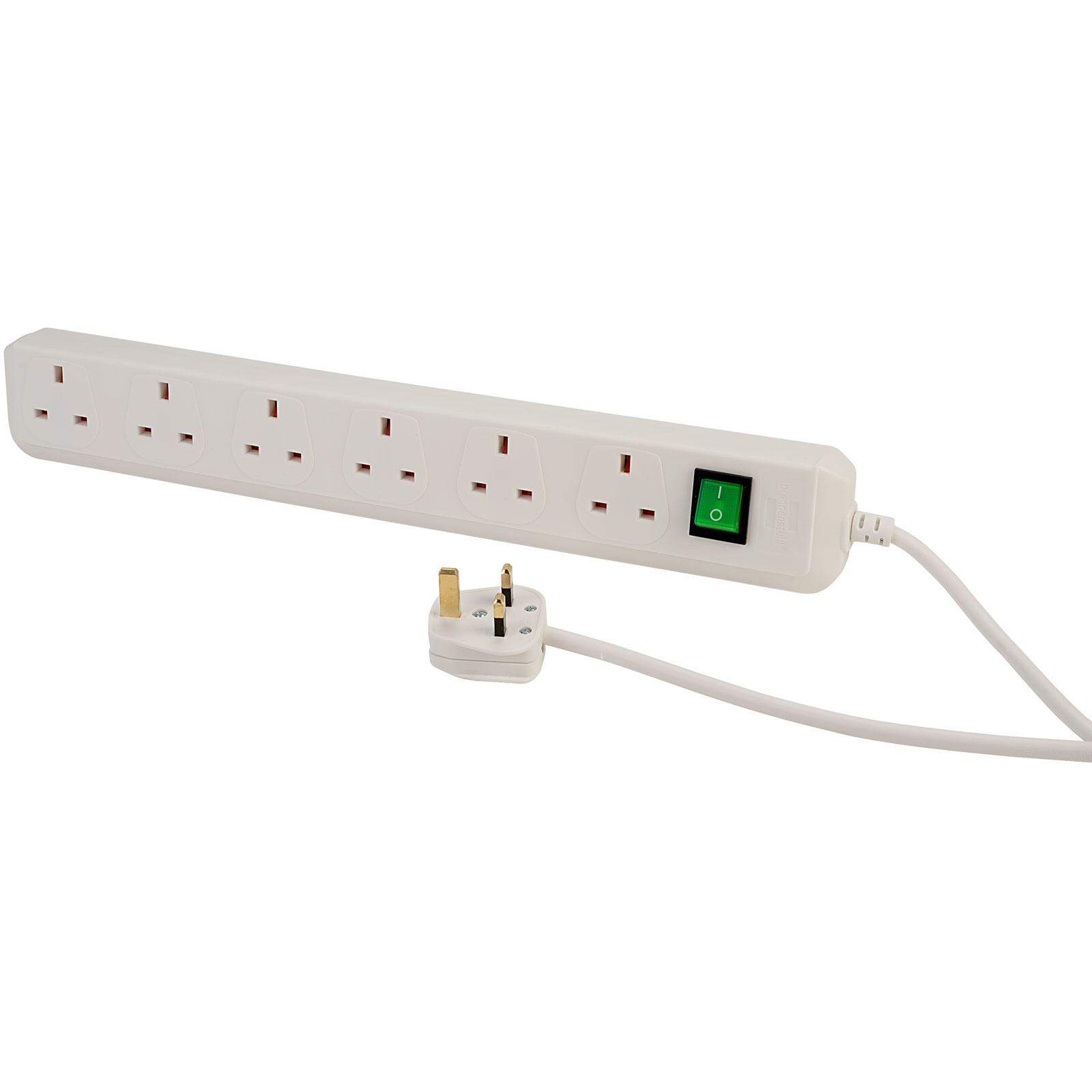
If I was Emperor of the Universe, I'd make the Type G plug the only standard: Longer ground contact that makes contact first, plastic cover on the plug-facing side of the hot/neutral contacts, polarized because there's only one direction to plug it, built-in fuse. Make it recessed, and it's perfect. And since it's rated for 250V/13A, it's great for any household device that doesn't need three-phase power.
Yes, it's chonky, but the more I learn about power plugs and sockets, the more I see how well designed it is. Unless someone from the UK knows if there are actual issues with it :)